
What Is SEO?
SEO (Search Engine Optimisation) is an ongoing process of improving your website so it ranks higher in Google’s organic (free) search results, putting your business in front of people already searching for what you sell.
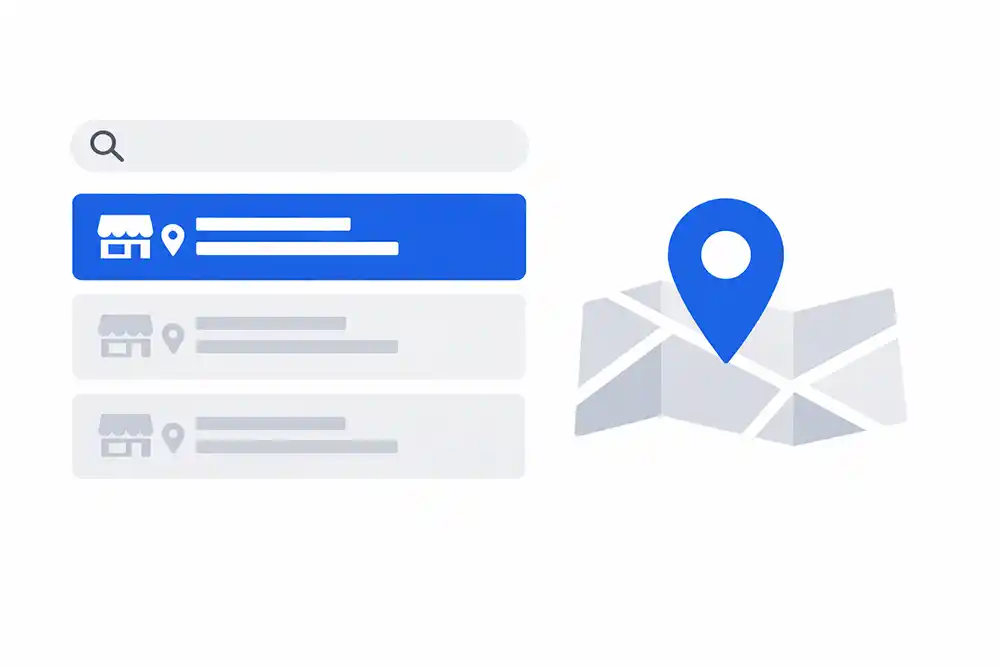
SEO works by improving your content, site structure, technical setup, off-page authority, and local signals so Google can understand, trust, and prioritise your pages—bringing you targeted traffic without paying for every click.
At its simplest:
- People search
- Google decides what’s most relevant
- The businesses in those top positions get the clicks, calls, and customers
Everyone else?
Mostly invisible.
That’s where most explanations stop.
And that’s exactly why most businesses get SEO wrong.
Because yes, SEO is about rankings.
And yes, SEO is about traffic.
But that’s only half the equation.
Rank for the wrong searches and you get visitors who never buy.
Get traffic with no intent, and you get numbers, not revenue.
So you do not need more traffic.
You need the right traffic.
People searching for:
- what you do
- where you do it
- and ready to take action
SEO gets you seen.
But once someone lands on your website, a second job begins:
Can your website convince them?
That is the part most SEO companies ignore.
The SEO firm focuses on rankings, keyword counts, and traffic graphs. The customer wonders why their website doesn’t convert.
The truth is simple:
SEO without conversion is just visibility.
And visibility without revenue is useless.
A better definition of SEO is this:
Real SEO helps your business show up when people are already searching for what you sell, then turns that visibility into leads and sales.
That’s the definition that actually matters.
Understanding SEO
SEO is not some technical dark art.
It’s not plugins, tools, or random checklists.
It’s alignment.
Alignment between:
- How your customers actually search
- What Google is trying to show for those queries
- What your website actually presents and delivers
When those three things match, you show up.
When they don’t, you disappear.
That is why so many businesses have websites that look good but do nothing.
They paid for a site that looks clean, modern, and professional.
And yet:
- Little traffic
- Few rankings
- Few enquiries
- No consistent leads
Why?
Because the site was built to impress the owner, not rank in search and convert customers.
Most designers focus on:
- Layout
- Colours
- Branding
- Animation
That’s fine.
But none of it helps when someone searches:
- Accountants in Essex
- Emergency plumber near me
- Local kitchen fitter
Google does not rank “nice design.”
It ranks relevance.
And even when some websites do get traffic, it’s often the wrong kind.
Browsers.
Researchers.
People with no intent to buy.
So the business gets visitors, but not customers.
That is the gap most people miss.
They think they need more traffic.
And most do.
They need to show up for the exact searches people make when they’re ready to act.
At that point, Google is not just a search engine.
It’s a decision engine.
And the businesses showing on page one, especially near the top, win.
That’s why SEO is not just about getting seen.
It is about getting seen at the right time, for the right searches, by the right people.
If your SEO is not built around buyer intent, it won’t matter how good your website looks, how many pages you have, or how impressive your SEO reports look.
You’ll still be invisible where it counts.
Why SEO Matters
By the time most businesses start looking into SEO, they have already been burned.
They have tried:
- Paid ads that didn’t work or stopped working when the budget stopped
- Lead generation sites selling the same expensive leads to multiple competitors
- Social media posts that got attention but not enquiries
Then they start thinking:
Maybe SEO is the missing piece.
Usually, it is.
But not because the other channels are useless.
Because the real problem was direction.
Ads, social media, and lead platforms all work differently—but they share one problem:
You don’t own the position.
Paid Ads
Google Ads captures existing demand.
But you’re paying to be there.
The moment your budget runs out…
You disappear.
Social Ads
Social media and display ads—interrupt people.
You’re trying to grab attention, create interest, and convince someone who wasn’t actively looking.
Lead Generation Platforms
Lead generation platforms sit in the middle.
There is intent…
But you’re often:
Sharing the same expensive ‘lead’ with multiple competitors
SEO Is Different
SEO traffic is free.
SEO does not interrupt.
SEO meets existing demand.
Someone searches:
- Emergency plumber near me
- Builder Essex quote
- Roof repair urgent
That person already wants a solution.
Google decides who gets shown.
That’s why SEO matters.
It puts you in front of people:
- When they’re searching
- When they’re ready
- When they’re close to acting
Compare that to other channels:
- Ads: You pay to stay visible
- Social: You fight for attention
- Lead gen: You share the same lead with competitors
SEO ensures you appear in front of buyers when demand already exists.
But just showing up is not enough.
If you show up for the wrong searches, or your website does not convert, you are back where you started.
That is why some businesses say, “We tried SEO. It didn’t work.”
Usually, what they mean is:
- They ranked for the wrong searches
- They didn’t rank where it actually matters
- Their website couldn’t turn visitors into customers
Or they got sold “SEO” that looked convincing…
But it was never built to make them money.
That’s not SEO failing.
That’s strategy failing.
Done properly, SEO does not just bring traffic.
It brings buyers.
If your website is not showing up when people are ready to buy, you have a strategy problem.
That’s exactly what our SEO service is built to fix.
How SEO Works
At a technical level, SEO works like this:
- Google discovers your website
- Understands what it is about
- Decides whether it is worth showing
- Then it ranks it against other pages
This happens in three stages.
Crawling
Search engines send out bots to find pages across the web.
If your site is badly structured or hard to access, Google may struggle to find or prioritise your pages.
Indexing
Once Google finds your pages, it tries to understand them.
It wants to know:
- What the page is about
- Who it is for
- Whether it is useful
If your content is vague, copied, thin, or poorly structured, Google is less likely to trust it.
Ranking
When someone searches, Google compares indexed pages and decides which deserve to appear first.
That decision is based on factors like:
- Relevance
- Quality
- Authority
- User experience
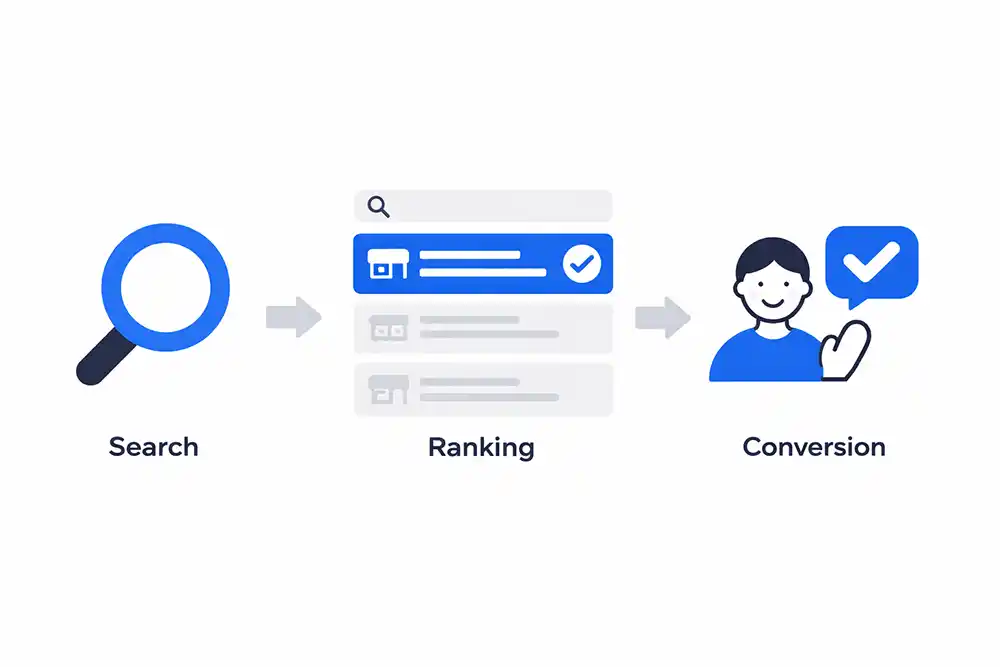
That’s how SEO works mechanically.
But rankings alone are not enough.
You can get crawled, indexed, and even rank — and still make no money.
Why?
Because none of that guarantees:
- The search has buyer intent
- The traffic is relevant
- The website converts
That is why SEO must go beyond rankings and reports.
The technical process matters.
But it’s only the foundation.
The Core Parts of SEO
Content (Relevance)
Your content needs to match what people are searching for.
Not loosely.
Exactly.
It needs to answer the question properly, go deep enough to be useful, and align with what the searcher is really trying to do.
Google is not just looking for keywords.
It is looking for quality.
This is where E-E-A-T matters:
- Experience: Have you actually done this?
- Expertise: Do you know what you are talking about?
- Authoritativeness: Are you seen as a credible source?
- Trustworthiness: Can people rely on what you say?
If your content is thin, generic, or written just to tick SEO boxes, it will struggle.
Strong SEO content shows real insight, clear answers, useful depth, and genuine credibility.
On-Page SEO (Clarity)
Your headings, structure, and layout tell Google what a page is about.
If that message is unclear, you will struggle to rank.
Good on-page SEO includes:
- A clear title tag
- A compelling meta description
- Structured headings
- Natural keyword use
- Readable page layout
- Short, descriptive URLs
- Image optimisation
- Internal linking
- Helpful external references
- Schema where appropriate
This is not about ticking boxes.
It’s about making the page clear to Google and useful to the user.
Technical SEO (Access)
Before Google can rank your site, it has to access it.
Your site needs to be:
- Fast
- Mobile-friendly
- Easy to crawl
Technical SEO covers things like:
- Speed and Core Web Vitals
- Mobile usability
- Crawlability and indexing
- Secure HTTPS setup
- Clean site structure
- Structured data
- XML sitemaps
- Canonical tags
- Strong internal linking
Technical SEO does not make you money on its own.
But it removes the barriers stopping you from ranking.
Off-Page SEO (Trust)
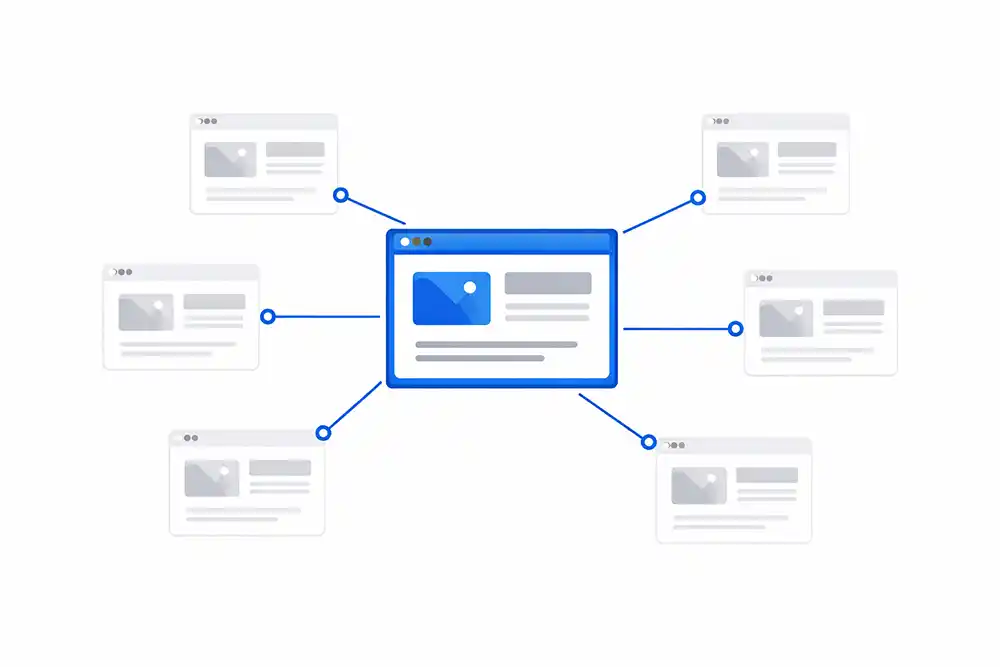
Links from other websites act like votes.
The more credible the source, the more trust you build.
No trust means weak rankings.
But not all links are equal.
One strong, relevant link is worth more than a pile of junk links.
Off-page SEO includes:
- Backlinks (links from other websites to yours)
- Brand mentions
- Guest posting
- Digital PR
- Link-worthy content
Google uses these signals to answer one question:
Can this business be trusted?
If your site has no authority, no mentions, and no real signals of trust, Google has very little reason to rank you highly.
Local SEO (For Local Businesses, This Is Critical)
If you serve a specific area, this is where the real money is.
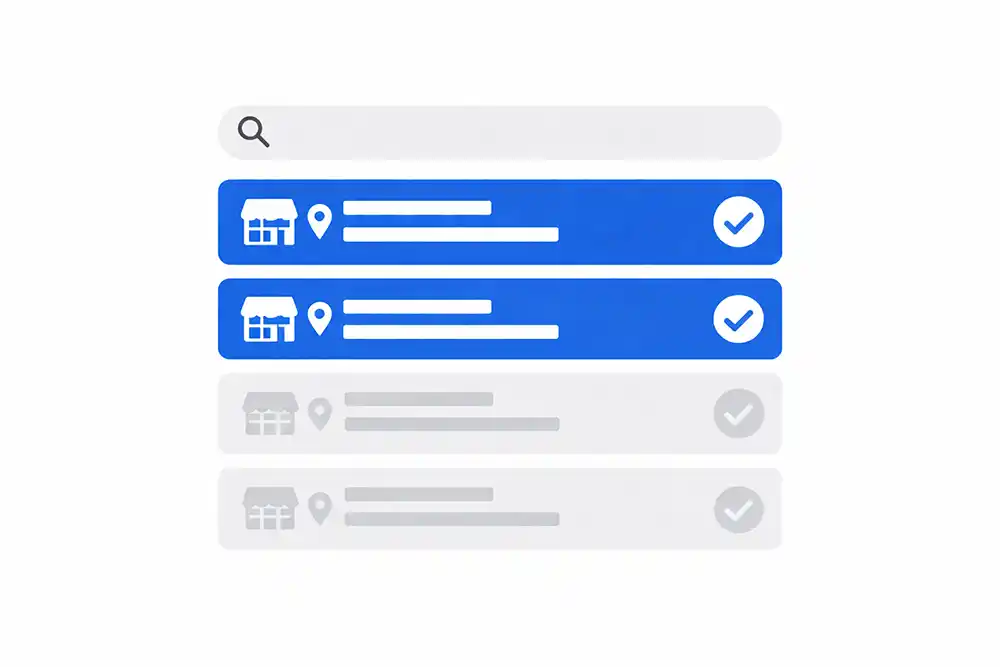
Local SEO is about showing up when someone nearby is ready to act.
It helps you appear in:
- Google Maps
- Local search results
- Google business
Local rankings are driven by:
- Relevance
- Proximity
- Prominence
The main local SEO signals are:
- An optimised Google Business Profile
- Local keywords in your pages and headings
- Consistent NAP (name, address, phone number) details across directories
- Positive reviews and responses
- Local content and local links
- Unique landing pages for each service area
If you are a local business and you are not showing in Maps or local search, you are invisible to your best customers.
Where Most SEO Goes Wrong
Most SEO does not fail because it’s too hard.
It fails because it is aimed in the wrong direction.
On paper, it can look like progress:
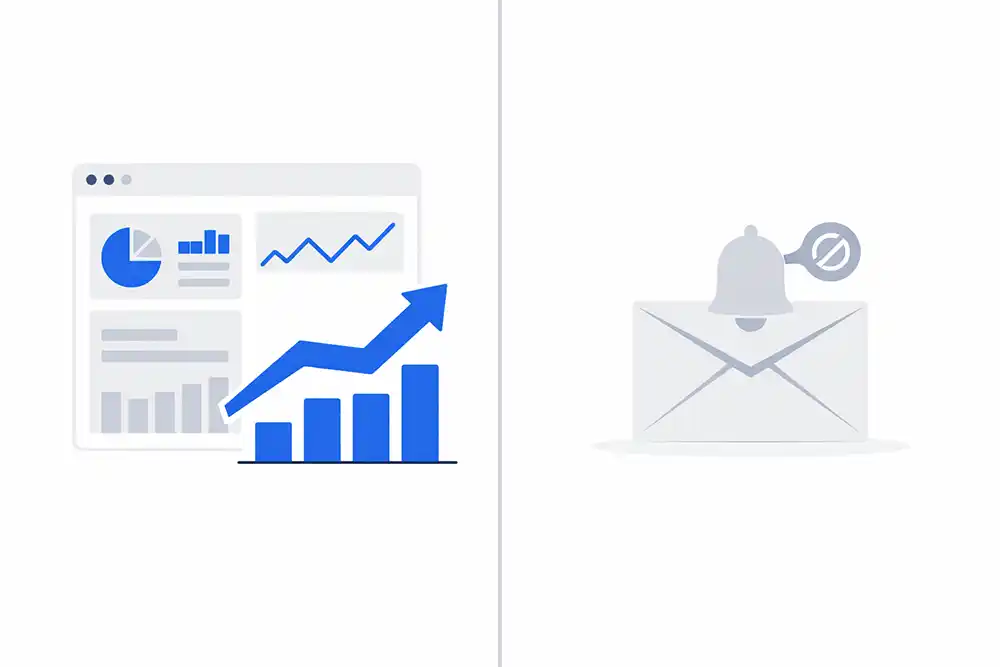
- Rankings go up
- Keywords increase
- Traffic grows
And yet:
- Leads do not improve
- Enquiries stay flat
- Revenue barely moves
Why?
Most SEO mistakes boil down to a few common problems.
Chasing traffic instead of buyers
Many campaigns target easy keywords and high search volume instead of searches with buyer intent.
That brings traffic, but not customers.
Optimising for reports instead of results
Agencies show graphs, rankings, and impressions because they look impressive.
But none of that matters if it’s not increasing leads or sales.
Doing more without direction
More blog posts, more pages, more backlinks — all of that can work.
But only when it is strategic.
More of the wrong content just creates more noise.
Ignoring conversion
Even when SEO succeeds in getting clicks, many websites fail to build trust, guide action, or make it easy to enquire.
Traffic comes in
But it doesn’t convert.
Expecting instant results
SEO is a long-term system.
It takes time to build visibility, authority, and momentum.
The businesses that win are the ones that stay consistent long enough for it to compound.
Examples of SEO
Here is what SEO looks like in the real world.
Someone’s pipe bursts.
They search:
‘emergency plumber near me’
They scan page one, compare a few options, and contact two or three businesses.
Same with:
- Kitchen fitter Essex
- Roof repair near me
- Dentist in [area]
They do not need to see every business on the internet.
They just need a shortlist.
That is what matters in SEO.
You don’t need to rank number one for everything.
But you do need to be:
- On page one (the higher the better)
- Visible for the searches that matter
- Seen often enough to be considered
Because if you are not on page one, you’re not in the shortlist.
And if you are not in the shortlist, you don’t get the enquiry.
SEO wins through coverage.
Not just one keyword.
Not just one ranking.
Consistent visibility across multiple buyer searches.
The more relevant searches you appear for, and the higher you appear, the more chances you have to sell.
Benefits of SEO
When SEO is done properly, it changes how your business gets customers.
Consistent enquiries without chasing
‘Instead of relying on word of mouth, constantly pushing ads, posting for attention, or chasing leads, SEO brings people to you who are already looking for what you do.
Better-quality leads
Searchers using buyer-intent terms are further along than someone casually scrolling social media.
They want what you sell.
That means better leads, less wasted time, and stronger conversion potential.
Less reliance on paid ads
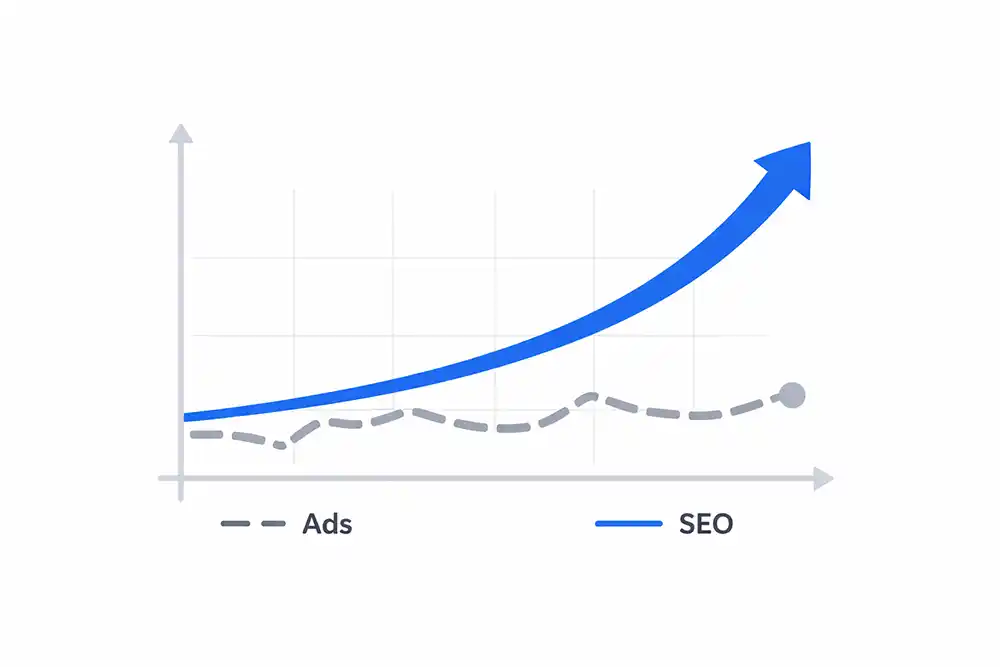
Ads stop when the budget stops.
SEO continues to work after the page is published and ranked.
You are not renting attention.
You’re getting it for free.
Compounding growth
Every useful page, every improved ranking, every trusted link adds to the whole.
SEO builds momentum over time.
That momentum turns into more visibility, more enquiries, and more revenue.
Stronger market position
When people keep seeing your business across multiple searches, you stand out, you get recognised, you get trusted.
You stop looking like one option among many.
You start looking like the obvious choice.
Common Mistakes
The most common SEO mistakes are predictable:
- Focusing on traffic instead of qualified traffic
- Ranking for keywords that will never lead to enquiries
- Hiring SEO providers who sell reports, not results
- Publishing content with no strategy
- Ignoring user behaviour and conversion
- Expecting fast results from a long-term channel
Most bad SEO comes from treating it like a tactic.
It’s not.
SEO is a system.
And when it’s built properly, traffic has intent, rankings have purpose, and visibility turns into revenue.
Best Practices
What actually works?
Start with buyer intent.
Target the searches that make you money, not just the ones that are easy to rank for.
Build pages that match how people really search.
Make it easy for visitors to trust you and take action.
If you are a local business, dominate your area first before trying to expand.
And stay consistent.
Because SEO growth does not come from random effort.
It comes from a system.
The businesses that win are not guessing.
They are building around intent, relevance, trust, and conversion.
FAQs About SEO
How long does SEO take?
Usually:
- 3–6 months for movement
- 6–12 months for real traction
- 12–18 months for serious momentum
SEO does not just “kick in.”
It builds.
Is SEO better than paid ads?
They do different jobs.
Ads give you immediate visibility.
SEO gives you compounding visibility.
The strongest businesses often use both.
Is SEO dead?
No.
Bad SEO is dead.
Spammy links, keyword stuffing, and thin content are not the game anymore.
But showing up for real searches with real intent is not going away.
Is SEO worth it?
If it’s built around revenue, yes.
If it’s built around vanity metrics, no.
Can I do SEO myself?
Yes.
But learning the basics and competing where money is actually made are two different things.
What SEO Really Comes Down To
Your website is probably not the real problem.
Your visibility is.
You don’t need more random traffic, more meaningless reports, or more content for the sake of it.
You need to show up when people are ready to buy.
That’s when decisions happen.
Right now, your competitors are showing up in those moments.
And because they are visible, they get the enquiry, the quote request, and the job.
That’s what SEO really is:
Positioning.
Visibility.
And turning that visibility into revenue.
If your website is not generating leads, it’s not because SEO does not work.
It’s because your SEO is not built around how real buyers search.
Fix that, and everything changes.
Want SEO That Actually Generates Revenue?
If your website isn’t bringing in consistent enquiries…
There’s a reason.
And it’s usually not what you think.
If you want to see:
- What your customers are actually searching for
- Where you’re missing opportunities right now
- And what it would take to fix it
Take a look at the Rank-to-Revenue SEO system.
Because once it’s in place…
SEO stops being a guessing game.
And starts becoming a predictable source of leads and sales.